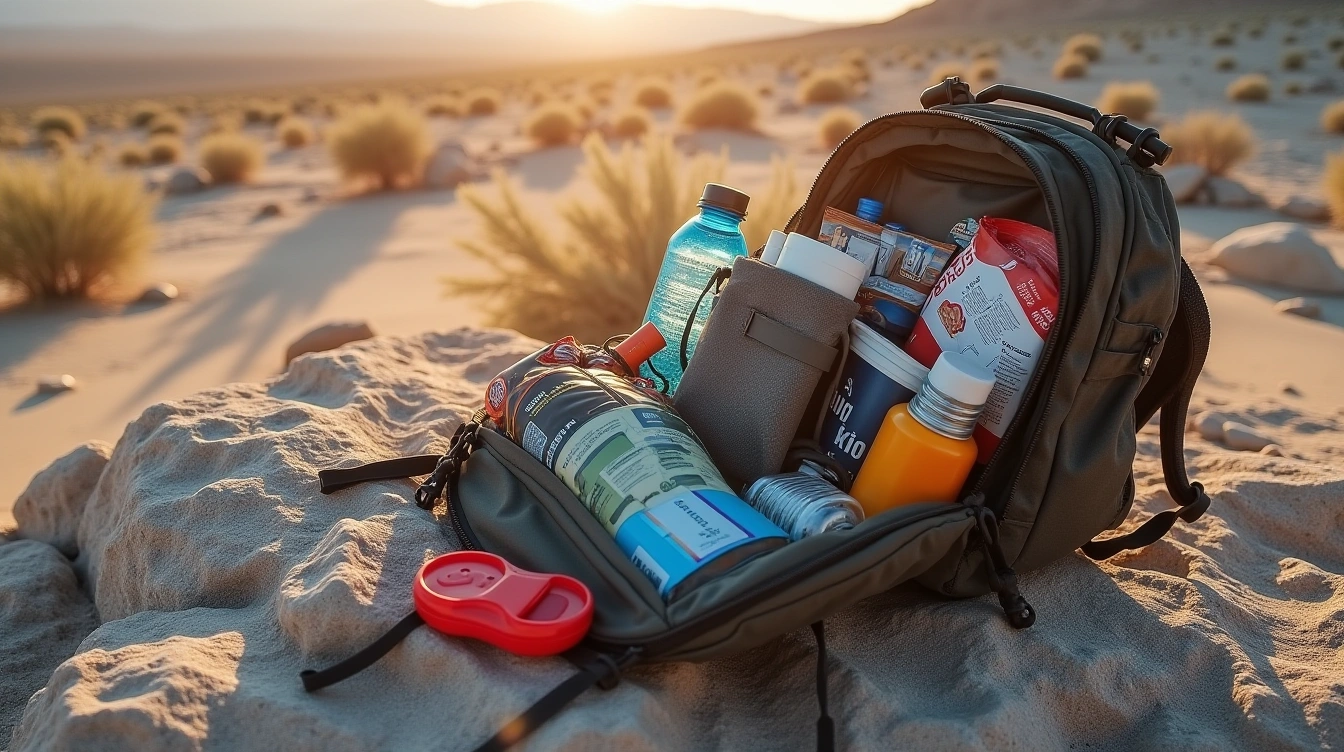
When crisis strikes, every second matters. A well-organized evacuation bag—known in French as “sac d’évacuation complet 1 ou 2 personnes”—can mean the difference between chaos and security. Designed for one or two people, this essential equipment gathers all items needed to survive at least 72 hours away from home. Often called a survival kit, emergency kit, or bug-out bag, it is your safety net when facing the unexpected. Knowing exactly what to pack transforms daunting emergencies into manageable situations.
Why have a sac d’évacuation complet for one or two people?
A 72-hour kit allows you to react quickly if you must leave home due to fire, flood, power outage, or other emergencies. In these moments, there’s no time to gather supplies—the right emergency kit ensures essentials are ready in one place. Whether preparing for yourself or with someone else, planning a bag for one or two people significantly increases your level of preparedness.
Topic to read : What Are the Latest Trends Shaping the Future of Business Services in the UK?
Having vital resources within reach reduces stress and confusion during evacuation. As disaster awareness grows, more households assemble personalized evacuation bags that meet individual and shared needs. This approach not only makes sense—it also demonstrates responsibility toward those you care about most.
The essential equipment inside a complete evacuation bag

Certain items should be present in any bug-out bag, regardless of location or scenario. Focusing on quality over quantity keeps your kit practical and portable. The right selection covers basic human needs: shelter, hydration, nutrition, and first aid.
Additional reading : What Are the Latest Trends Shaping the Future of Business Services in the UK?
If you’re just getting started or want a fully pre-assembled solution, Evakit offers complete kits designed specifically for rapid evacuation scenarios. Here are key categories to consider when building a reliable survival kit for one or two people. Adjust amounts based on the number of users and how long you may be displaced.
Which shelter and clothing items to include?
Protection against harsh weather and temperature changes is crucial. A good evacuation bag includes lightweight gear for warmth and cover, while clothes provide comfort and shield you from the elements. For each person, pack sturdy outerwear, extra socks, gloves, and hats, plus:
- 🛌 Compact sleeping bags (1–2 units)
- ⛺️ Emergency thermal blankets
- 👕 Change of underwear and layered clothing
- 🧤 Gloves and warm hats for cold climates
Opt for space-saving designs and high-performance fabrics to maximize mobility and comfort in unpredictable conditions.
How much food and water does a survival kit require?
Reliable access to food and water is essential for maintaining energy under stress. The standard is three days’ worth per person, making these the core of your evacuation bag. Choose compact, calorie-rich options such as:
- 💧 Packaged water pouches or purification tablets (at least 3 liters per person)
- 🥫 Ready-to-eat meals or high-energy ration bars
- 🍫 Dried fruits and nuts for quick snacks
Include utensils, a can opener, and reusable bottles. If you’re packing for babies, seniors, or pets, adjust quantities accordingly to meet their specific needs.
Critical medical and communication supplies
The ability to address injuries or health concerns promptly in an emergency can be lifesaving. Alongside medical essentials, clear communication tools help families stay connected and seek help efficiently. Both areas are vital for safety during temporary displacement.
Customize the first aid kit by considering chronic illnesses or allergies, and update medications regularly. Even the best supplies are ineffective if expired or unsuitable for the user’s needs.
What goes into a reliable first aid kit?
Your evacuation bag should contain a comprehensive medical set-up with both universal and personal components. The ideal emergency kit for one or two people includes:
- 🚑 Bandages, gauze pads, and adhesive tape
- 💊 Basic medications (painkillers, antihistamines, antiseptics)
- 🩹 Alcohol wipes and hand sanitizer
- 📄 Copies of prescriptions and important health documents
If anyone in your group has special requirements, consider adding splints, burn ointments, or blood-clotting agents for extra protection.
What role do communication and lighting tools play?
Staying informed and able to contact others during emergencies supports better decision-making. Proper lighting and communication devices keep you visible, reachable, and alert to changing situations. Essential items include:
- 🔦 LED flashlight (with spare batteries or crank mechanism)
- 📻 Weather-resistant radio for updates
- 📱 Backup mobile power bank
- 🗺 Whistle, glow sticks, or signaling mirrors
Even simple gadgets can make a significant difference in ensuring a safe evacuation experience.
Checklist: organizing your bug-out bag
Packing a sac d’évacuation complet should follow a logical order. Start with priority items like food, water, and medical supplies, then use remaining space for secondary necessities. Effective preparedness means knowing what to pack and where to store your kits—keep them accessible and review their contents annually.
- 🎒 One central, easy-to-carry bag or backpack
- 📦 Grouped pouches or organizer bags for small items
- ⬇️ Heaviest gear near your back, lighter items on top
Balance essential equipment with personal touches, such as copies of IDs or small comfort objects. Always include printed emergency contacts and local evacuation routes in case electronic devices fail.
| 📦 Category | 🧑 1 Person | 🧑🤝🧑 2 People |
|---|---|---|
| 💧 Water (liters) | 3 | 6 |
| 🥫 Food (meals) | 9+ | 18+ |
| 🚑 First aid supplies | 1 kit | 1 expanded kit |
| 🛌 Sleeping arrangement | 1 bag/blanket | 2 bags/blankets |
Frequently asked questions about assembling a complete evacuation bag
What is a bug-out bag and why do I need one?
A bug-out bag, also known as an evacuation bag or 72-hour kit, is a portable collection of supplies kept ready for emergencies that require rapid evacuation. Having a well-stocked bug-out bag increases your preparedness and helps guarantee your safety during natural disasters, blackouts, or civil unrest.
- 🔋 Immediate access to food, water, and medication
- 🛰 Greater readiness to respond quickly
- 🎯 Lower risk of forgetting essential items
What makes a good survival kit for one or two people?
An effective survival kit brings together essential equipment tailored for one or two people: shelter, food and water, hygiene tools, a first aid kit, communication devices, and critical documents. Aim for a balance between efficiency and portability—include what’s necessary without overloading your bag.
| 🌍 Item | 🏃 Single Person | 👬 Two People |
|---|---|---|
| Water (L/day) | ~1.5 | ~3 |
| Meals/day | 3 | 6 |
| First aid supplies | Standard kit | Larger/adapted kit |
How often should I check my emergency kit contents?
Review your emergency kit twice a year. Replace expired food, water, medications, and batteries promptly. Update important documents and modify supplies if your circumstances change, such as new medical needs or family members.
- 🗓 Schedule reminders for regular checks
- 📆 Refresh contents after major life events
Can I customize my evacuation bag for specific risks?
Absolutely, adapt your evacuation bag to suit regional hazards, climate, or personal needs. Add specialty items for infants, elderly, or pets. For instance, if you live in a flood-prone area, waterproof bags and protective footwear are wise additions. Your unique situation should guide the assembly of your survival kit.
- ☔ Include rain ponchos for wet climates
- ❄ Add heating packs for cold areas
- 🐾 Bring pet food and accessories as required
In summary, assembling a sac d’évacuation complet for one or two people means anticipating challenges and prioritizing essentials. By tailoring your bug-out bag to your specific needs, you build resilience and peace of mind. Preparedness starts with action—are you ready to take the first step?